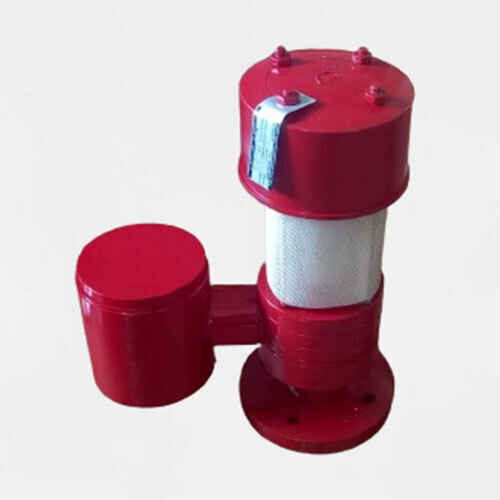
Model No: PVOPD-PP
ERARDO make Polypropylene Breather Valve / Polypropylene Pressure Vacuum Relief Valve used where Vapor are highly hazardous like HCL and no Metal compatible with the vapours.
| Specification | Details |
| Manufacturing Std | API 2000 7th Edition |
| Testing Standard | API 2000 7th Edition, API 2521 |
| Sizes | 1 inch to 24 inch |
| Body Construction | Polypropylene |
| End Connection | ANSI 150# |
Era Technologies is Prime Indian Manufacturer & Exporter of Erardo Make polypropylene (PP) breather valve is a device used to regulate the pressure within a container or system to prevent damage or failure. Here are some key points about it:
Our world wide Presence in Malaysia, Singapore, Indonesia, Thailand, Vietnam, UAE, Saudi Arabia, Oman, Kuwait, Iran, Egypt, Yemen, Qatar, Bahrain, Turkey, Libya, Iraq, Syria, Algeria, Vietnam, Venezuela, Chile, Colombia, Nigeria, Kenya
Material: Polypropylene
- Chemical Resistance: Polypropylene is resistant to many chemicals, making it suitable for various industrial applications.
- Durability: It is a durable plastic that can withstand harsh environments.
Function: Breather Valve
- Pressure Regulation: Breather valves maintain the internal pressure of a tank or vessel within a safe range. They allow air to enter or exit the container to balance pressure differences.
- Protection: By regulating pressure, they protect the container from rupturing or imploding due to pressure changes.
Applications
- Storage Tanks: Used in storage tanks for liquids and gases to prevent overpressure or vacuum conditions.
- Chemical Processing: Common in chemical processing plants where polypropylene's chemical resistance is beneficial.
- Water Treatment: Used in water treatment facilities to maintain pressure in tanks and prevent contamination.
Benefits
- Corrosion Resistance: Polypropylene is resistant to corrosion, which extends the lifespan of the valve.
- Lightweight: Easier to install and handle compared to metal valves.
- Cost-Effective: Generally less expensive than metal alternatives.
Maintenance
- Inspection: Regular inspection is necessary to ensure the valve is functioning correctly.
- Cleaning: Polypropylene valves are relatively easy to clean and maintain due to their smooth surface.
Reliable Chemical Resistance and Leak-Proof DesignConstructed from high-quality polypropylene, this breather valve offers robust chemical resistance and leak-proof sealing, making it ideal for challenging industrial and chemical environments. The use of PTFE/Teflon gaskets enhances its reliability, ensuring long service life even with aggressive air, gases, or vapor media. Durable and lightweight, it's suitable for both new installations and system upgrades.
Easy Installation and Versatile CompatibilityFeaturing both BSP/NPT threaded and ANSI/DIN flanged end connections, the valve adapts to diverse piping standards. Installation is straightforward in a vertical position, and its lightweight structure simplifies handling. With port sizes from 1 to 6 inches and varying weights, it's customizable for different tank or vessel requirements, ensuring perfect integration with your existing setup.
Low Maintenance and Effortless OperationThis breather valve is designed for low maintenance and easy cleaning, reducing downtime and upkeep costs. Its direct-acting, spring-loaded diaphragm ensures automatic pressure and vacuum relief, functioning reliably without external power or manual intervention. It's the optimal choice for operators seeking efficiency and peace of mind in pressure control applications.
FAQ's of Polypropelene Breather Valve:
Q: How does the automatic operation of the Polypropylene Breather Valve work?
A: The valve uses a spring-loaded, diaphragm mechanism that opens or closes in response to pressure changes, automatically releasing excess pressure or vacuum within set limits (10 mbar to 700 mbar) to protect tanks and systems without requiring manual or electric activation.
Q: What benefits does the smooth, chemical-resistant surface finish provide?
A: A smooth, chemical-resistant surface finish minimizes particle buildup and enhances the valve's resistance to corrosive chemicals, ensuring easier cleaning and greater longevity in harsh industrial settings.
Q: When should I use a Polypropylene Breather Valve in my facility?
A: This valve is ideal for use in chemical plants, storage tanks, and systems handling air, gases, or vapors-especially where pressure relief and chemical compatibility are critical. It is most suitable where non-electric, low-maintenance operation is needed.
Q: Where can the breather valve be installed within an industrial system?
A: Designed for vertical installation, the valve can be fitted onto vessels, storage tanks, or piping systems requiring regulated pressure or vacuum relief. Its compatibility with BSP/NPT threads or ANSI/DIN flanges allows versatile placement according to system needs.
Q: What is the process for cleaning and maintaining this valve?
A: Routine inspection and occasional cleaning with compatible solvents or water are typically sufficient due to its smooth surface and chemical-resistant properties. Maintenance is straightforward and requires no specialized tools, greatly reducing operation downtime.
Q: How does customizable sizing and connection type benefit my application?
A: With port sizes ranging from 1 inch to 6 inches and both threaded and flanged end connection options, the valve can be customized to fit a variety of pipe standards and system requirements, ensuring seamless integration.
Q: What are the key usage advantages of using this Polypropylene Breather Valve?
A: Its lightweight construction, automatic operation, chemical resistance, and low-maintenance design provide reliable protection for industrial tanks and systems while minimizing installation effort and ongoing upkeep.