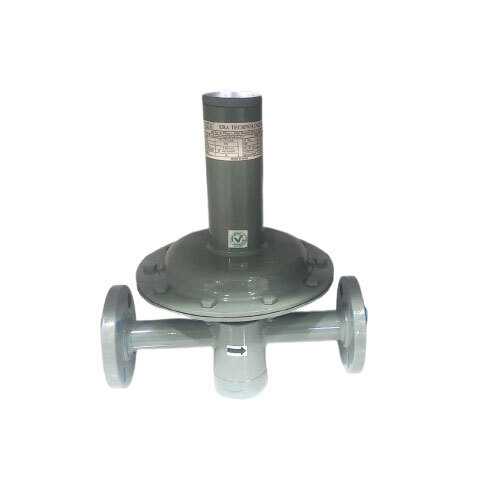
The Nitrogen Blanketing Valve is designed for liquid storage tanks in the chemical, oil & gas industries. Ranging in size from 15 NB to 50 NB, this valve features a soft seat sealing, suitable for low pressure applications. With a spring-loaded design and SS 304 disc, it is ideal for handling various media including acid, gas, and oil. Weighing 10 kilograms and colored in Mahindra Gray, this valve ensures efficient nitrogen blanketing to prevent contamination and hazardous situations.
FAQs of Nitrogen Blanketing Valve:
Q: What is the application of the Nitrogen Blanketing Valve?
A: The valve is primarily used in chemical, oil & gas industries for liquid storage tanks.
Q: What type of sealing does the Nitrogen Blanketing Valve have?
A: The valve features a soft seat sealing for effective performance.
Q: What is the material of the disc in the valve?
A: The disc is made of SS 304 for durability and reliability.
Q: What are the media types this valve can handle?
A: The valve can handle various media including acid, gas, and oil.
Q: What is the weight of the Nitrogen Blanketing Valve?
A: The valve weighs 10 kilograms for easy handling and installation.
Ensuring Purity and ProtectionThis valve maintains a constant inert barrier over liquid surfaces inside storage tanks, shielding contents from air, moisture, and contaminants. Its self-regulating mechanism automatically adjusts to tank pressure variations, ensuring effective protection against oxidation and evaporation losses.
Effortless Maintenance and HygieneThe top entry design simplifies inspections and servicing, allowing rapid replacement of internal components without disconnecting the valve. A polished surface finish meets hygienic standards, making it ideal for food, pharmaceutical, and chemical industries where cleanliness is paramount.
FAQ's of Nitrogen Blanketing Valve:
Q: How does the nitrogen blanketing valve operate without external power?
A: The valve functions manually using a pilot-operated diaphragm to respond instantly to pressure changes within the tank. It relies solely on differential pressure and its spring mechanism, eliminating the need for external power sources or auxiliary instruments.
Q: What is the process for adjusting the set pressure on this valve?
A: You can easily adjust the set pressure between 10 mbar and 1000 mbar by accessing the spring mechanism via the top entry. This allows precise control to suit specific tank requirements or operational changes.
Q: When should this valve be installed to maintain tank protection?
A: Install the nitrogen blanketing valve whenever you need to safeguard stored liquids-particularly in industries where contamination, oxidation, or evaporation could compromise product quality, such as chemicals, food, or pharmaceuticals.
Q: Where is the optimal installation position for the blanketing valve?
A: For best results, the valve should be mounted vertically on the storage tank's blanketing or relief port, ensuring accurate and reliable performance consistent with manufacturer guidelines.
Q: What are the benefits of the bubble-tight Class VI shutoff?
A: Class VI bubble-tight shutoff guarantees zero leakage at set pressure, which means inert gases are retained effectively above the liquid, providing maximum protection and reducing losses due to unwanted air ingress.
Q: How is maintenance performed on this valve?
A: Maintenance is streamlined via the top entry access, allowing easy inspection and servicing of internal parts. This design avoids tedious disassembly, making routine maintenance faster and more cost-efficient.
Q: What media are compatible with this blanketing valve?
A: This valve is designed for nitrogen and other inert gases. Its robust materials, PTFE/Nitrile/Viton sealing, and corrosion-resistant construction ensure reliable, long-lasting performance across a range of media.