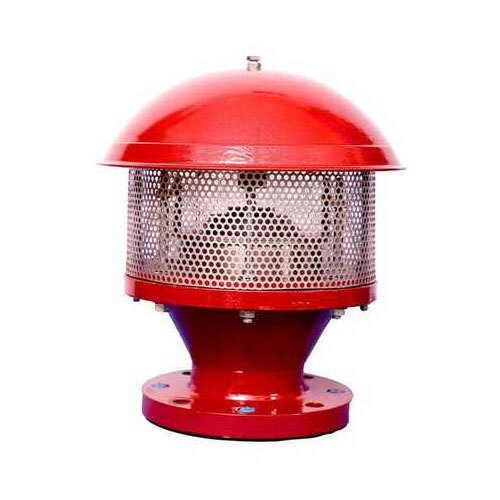
Era Technologies is Prime Indian Manufacturer & Exporter of Erardo, Era Make Pressure Rrelief Valve (PRV) is a safety device used to control or limit the pressure in a system or vessel. If the pressure in a system exceeds a preset limit, the valve will open and allow fluid (liquid or gas) to flow out, preventing pressure buildup that could potentially cause damage or failure.
Our world wide Presence in Malaysia, Singapore, Indonesia, Thailand, Vietnam, UAE, Saudi Arabia, Oman, Kuwait, Iran, Egypt, Yemen, Qatar, Bahrain, Turkey, Libya, Iraq, Syria, Algeria, Vietnam, Venezuela, Chile, Colombia, Nigeria, Kenya
FAQs of Pressure Relief valve:
Q: What is the Pressure Relief valve used for?
A: The Pressure Relief valve is used in the Oil & Gas industry to release pressure in a safe and controlled manner.
Q: What is the media compatible with the Pressure Relief valve?
A: The Pressure Relief valve is compatible with gas media.
Q: What is the sealing type of the Pressure Relief valve?
A: The Pressure Relief valve has a soft seat sealing type.
Q: What is the color of the Pressure Relief valve?
A: The Pressure Relief valve is available in red color.
Q: What is the pressure range of the Pressure Relief valve?
A: The Pressure Relief valve is designed for low-pressure applications.
Engineered for Reliable Overpressure ProtectionOur Low Pressure Pressure Relief Valve provides dependable automatic pressure release, preventing equipment and pipeline damage caused by overpressure. Its robust construction and advanced features make it suitable for varied industrial media-air, steam, gas, and liquids-and for operating temperatures between -10C and 80C. The valve's externally adjustable set pressure simplifies on-site calibration, while its Class VI leakage performance ensures leak-tight operation.
Versatile Applications and Flexible InstallationDesigned for easy integration, this valve accommodates both threaded (BSP/NPT) and flanged (ANSI/DIN) end connections, with vertical installation preferred for optimal function. Compact design, corrosion resistance, and minimal maintenance requirements make it an ideal choice for pipelines, storage tanks, and process vessels across manufacturing, power, and service sectors.
FAQ's of Low Pressure Pressure Relief valve:
Q: How does the Low Pressure Pressure Relief Valve operate during overpressure conditions?
A: The valve automatically opens when the inlet pressure exceeds the preset value, releasing excess pressure and re-closing once normal conditions are restored. Its spring-loaded mechanism ensures consistent and reliable operation without external power.
Q: What advantages does the externally adjustable set pressure provide?
A: External adjustability allows operators to modify the valve's set pressure on-site without dismantling, enabling precise system calibration and saving downtime during maintenance or process changes.
Q: When should this valve typically be used in an industrial system?
A: It should be installed in pipelines, storage vessels, or gas/liquid service areas where protection against low-range overpressure (0.1 to 5 bar) is required to prevent equipment failure or process interruptions.
Q: Where can the Low Pressure Pressure Relief Valve be installed?
A: While vertical installation is preferred for optimal performance, the valve is designed for versatility and can be fitted to both threaded and flanged piping systems in accordance with industry standards.
Q: What process is involved in setting or adjusting the valve's pressure?
A: Pressure setting is accomplished externally-operators simply adjust the exposed mechanism to achieve the desired relief setting, ensuring ease of use and reducing the risk of operational errors.
Q: What are the main usage benefits of this relief valve?
A: Key benefits include leak-tight Class VI performance, corrosion resistance, compact form, easy maintenance, and high compatibility with various industrial media and connection standards.
Q: Which fluids and gases are compatible with this pressure relief valve?
A: This valve is suitable for regulating air, gas, steam, and a wide range of liquids commonly found in industrial applications, thanks to its robust material options and temperature tolerance.